The short answer
There is no single figure. The investment depends on the format you choose, the capacity you need, how automated the line is, whether you build or lease the premises, and the compliance and working capital you plan for. A feasibility study turns those choices into an itemised range before you commit money.
Key takeaways
- Format, capacity and automation are the three choices that move the budget most.
- Budget for every cost head, including compliance, the QC laboratory and pre-operative expenses.
- Working capital is the item first-time founders most often leave out.
- Operating cost per bottle or jar decides whether the plant pays back, so model it alongside the capital cost.
Why there is no standard figure
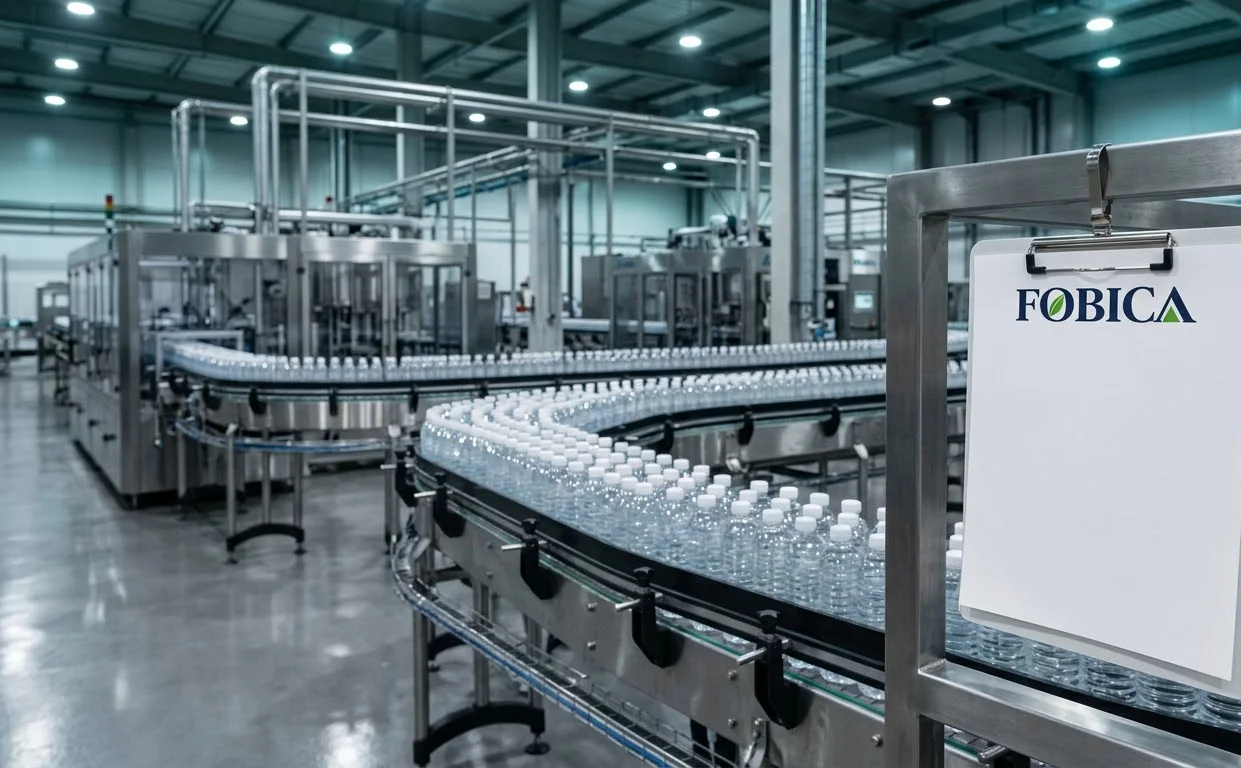
Two water plants can look alike from the road and need very different budgets. One fills 20-litre jars for offices in its own town. Another runs PET bottles in several pack sizes for retail across a region. The machinery, building, utilities, staff and working capital behind them have little in common.
Any number quoted before those choices are made is a guess. Ask how much this plant will cost, for this market, at this capacity.
The decisions that set the budget
Settle these first. Every later estimate depends on them.
- Format. PET bottles, 20-litre jars, or both. PET needs bottle forming or a bottle supply, and more packing equipment. Jars need washing, inspection and a stock of returnable jars.
- Capacity. Sized from the demand you can reach and serve, with room to add a shift or a line later.
- Automation. Semi-automatic lines cost less to buy and need more people to run. Automatic lines cost more and give steadier output and hygiene.
- Premises. Buying land and building, leasing a ready shed, or converting an existing building.
- Raw water. The quality and reliability of your source decide how much treatment the plant needs.
- Bottle supply. For PET, whether you blow bottles from preforms in-house or buy finished bottles.
The cost heads to plan for
A complete budget covers capital cost, pre-operative expenses and working capital. The table lists what usually sits under each head.
| Cost head | What it usually covers |
|---|---|
| Land and building | Purchase or lease, civil work, hygienic floors and walls, drainage and the separation of raw material, production and dispatch areas |
| Water treatment | Raw water storage, pre-treatment, purification such as reverse osmosis, post-treatment and disinfection, and treated water storage |
| Filling and packing | Rinsing, filling and capping, coding and labelling, and shrink wrapping or carton packing for PET; washing, filling and capping for jars |
| Bottle forming | Blow moulding equipment and moulds, if PET bottles are made in-house |
| Utilities | Power connection and backup, compressed air, water storage and handling, and effluent arrangements |
| QC laboratory | Space, testing equipment, glassware and trained staff for in-house quality control |
| Compliance | Licensing and certification applications, product testing, documentation and label design |
| Pre-operative expenses | Project design, installation and commissioning, trial production, recruitment and training before commercial sales begin |
| Working capital | Preforms, caps, labels and cartons in stock, salaries and running costs until sales cover them, credit given to distributors, and the stock of jars in circulation |
The costs founders most often miss
Most budget surprises come from items that are not machinery.
- Working capital. Packaging stock and the credit your distributors expect can tie up a large share of your money in the first months.
- Returnable jars. A jar business needs enough jars in the market, in transit and at the plant to keep deliveries running.
- Testing and the laboratory. Equipment, consumables and qualified staff are needed from the first batch.
- Distribution. Vehicles, fuel, drivers and route planning, especially for jars delivered to homes and offices.
- Launch. Brand design, packaging artwork and the first push into your sales channels.
- Contingency. A reserve for price changes, delays and changes found during commissioning.
Operating cost matters as much as capital cost
A plant that is cheap to build but expensive to run rarely pays back. For every bottle or jar, work out the cost of packaging material, treatment consumables, power, labour, testing and delivery. Then compare that cost with the price your channel will pay.
Packaging is usually the largest part of the cost of a PET bottle, so compare buying bottles with blowing them in-house as its own calculation.
How to reach a figure you can rely on
- Define the market: which customers, which channels, which towns or regions.
- Choose the format and pack sizes that market buys.
- Size the capacity from realistic demand, with a plan for growth.
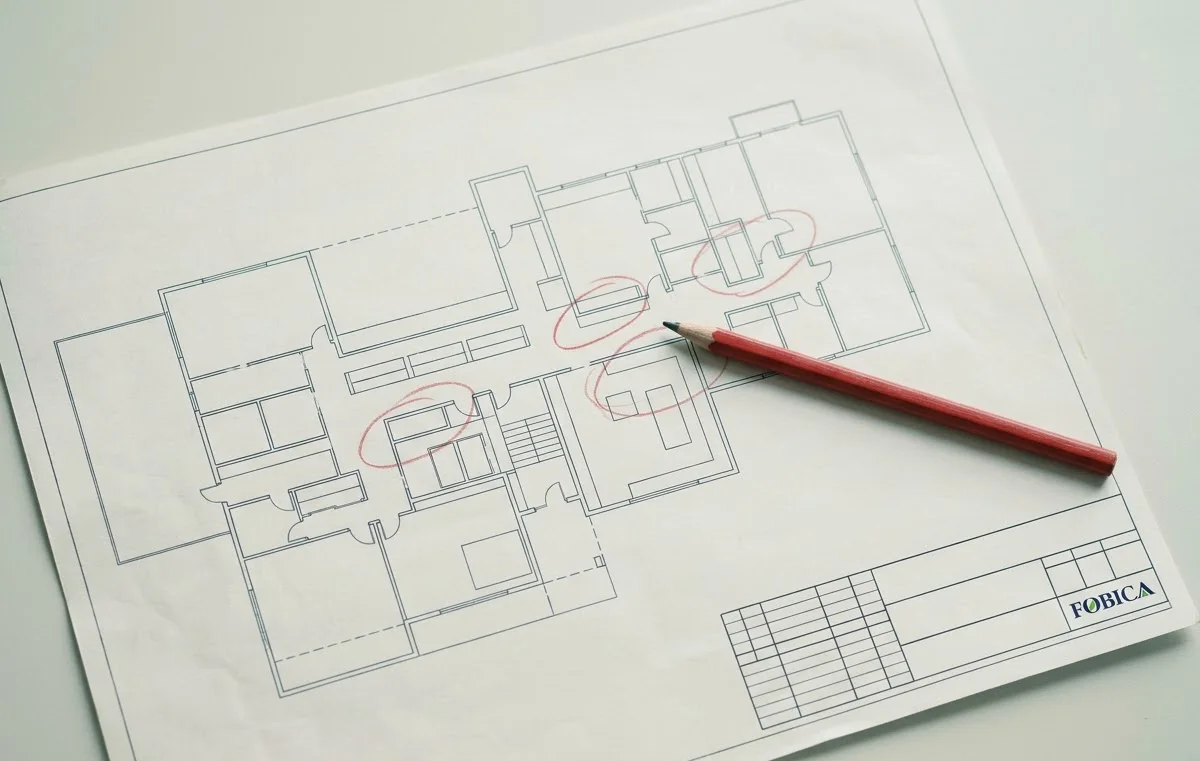
- Draw a layout and list the machinery and utilities it needs.
- Collect comparable machinery quotations and building estimates.
- Add compliance, the QC laboratory and pre-operative expenses.
- Calculate working capital from your stock levels and credit terms.
- Model cost per unit, break-even and payback, then test what happens if prices or volumes change.
This is the work of a feasibility study. It gives you an itemised budget you can share with a partner, a lender or an investor, and shows whether the project makes sense before you commit capital.
Please note: This article is for general information only and does not constitute legal or regulatory advice. Regulations and standards change; please verify current requirements with the relevant authority or speak to our team for guidance specific to your project.