The short answer
Most problems in a new beverage plant come from decisions made too early or too late: capacity chosen before demand is understood, compliance left to the end, utilities sized too small, and machinery bought on price alone. Each one can be avoided with a little planning at the right stage.
Key takeaways
- Decide capacity from demand, and leave room to grow.
- Plan compliance, the QC laboratory and the layout together, at the start.
- Size utilities for the whole plant, including future lines.
- Budget time for trial production and train the team before launch.
Changes cost more after the build
A plant is expensive to change once it is built. Moving a wall, adding a utility line or redesigning a label after commissioning costs far more than getting it right on paper. The mistakes below are the ones we see most often.
Planning mistakes
1. Choosing capacity before understanding demand
A line chosen because it was available, or because a competitor has one, may be too small to compete or too large to fill. Instead: size capacity from the market you can realistically reach, and plan space and utilities for growth.
2. Budgeting without working capital
Many projects are funded for the building and machines, then run short of cash for packaging stock, salaries and distributor credit in the first months. Instead: include working capital in the project budget from the first estimate.
3. Leaving compliance to the end
Licensing, certification and labelling requirements affect the layout, the laboratory and the product itself. Treated as paperwork after the build, they cause rework and delay. Instead: build a regulatory roadmap during planning and run it alongside the project.
Design mistakes
4. Designing the layout around the machines
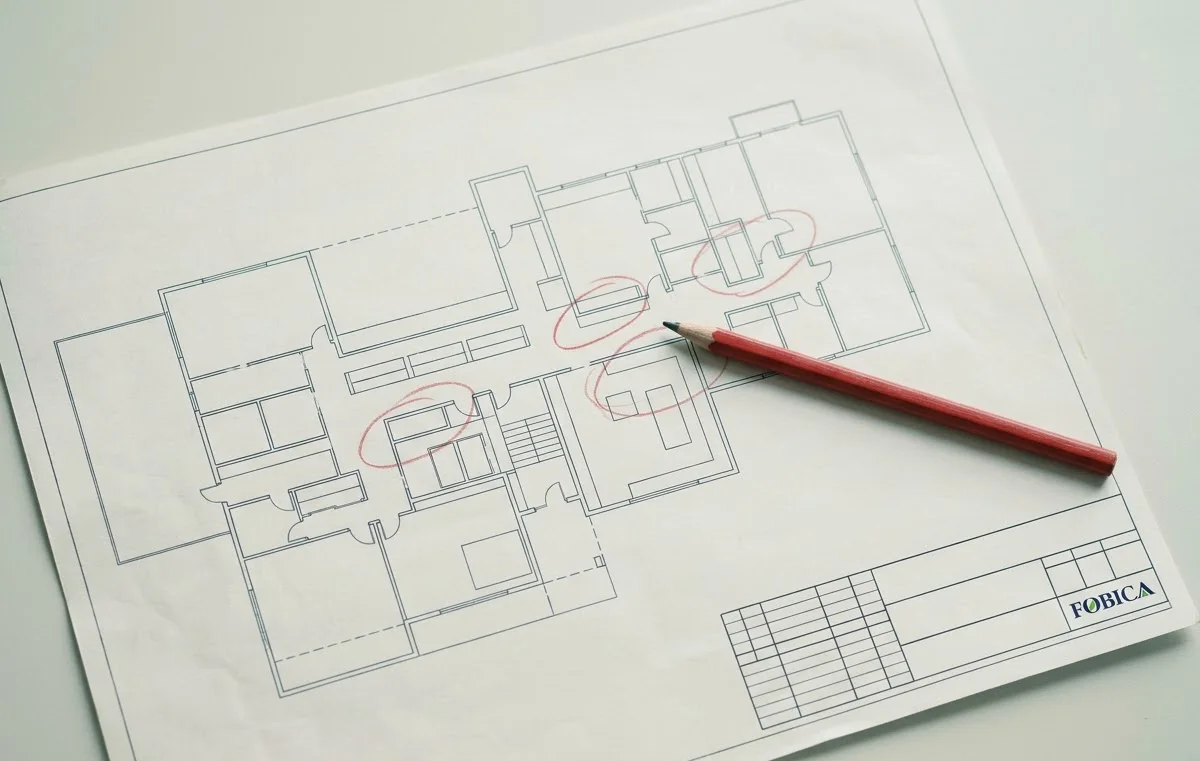
A layout that simply fits the machines into the building can mix raw materials with finished goods and send people through clean areas. Instead: plan the layout around hygienic zones and the flow of materials, people and waste, then place the machines.
5. Under-sizing utilities
Power, compressed air, water and drainage are easy to underestimate, and expensive to add later. Instead: add up the needs of every machine, plus future lines, and size the utilities with a margin.
6. Buying machinery on price alone
The cheapest quotation often leaves out change parts, installation, training or spares, or comes with weak service. Instead: compare quotations like for like and judge the vendor's support as well as the machine.
7. No plan for the QC laboratory
Without the right space, equipment and trained staff, products cannot be tested and released with confidence. Instead: plan the laboratory, its testing scope and its staff as part of the plant.
Start-up mistakes
8. Skipping trial production
Moving straight from installation to commercial sales leaves no time to fix problems, so they reach customers. Instead: plan trial runs and a period of stabilisation before launch.
9. Hiring and training too late
A new line run by an untrained team performs below its potential and wastes material. Instead: recruit key people early, write standard operating procedures (SOPs) and train operators during commissioning.
10. No route to market before launch
A plant without distributors, pricing and a launch plan produces stock nobody is ready to sell. Instead: build the brand, channel and pricing plan while the plant is being built.
A simple way to avoid most of them
Most of these mistakes come from doing the right things in the wrong order. A structured approach, from understanding and analysis to planning, implementation and then optimisation, puts each decision at the stage where it is cheapest to get right.