The short answer
Add the variable cost of making one unit (ingredients, packaging, utilities and consumables) to that unit's share of your fixed monthly costs (salaries, rent, maintenance, testing, depreciation and interest). Then adjust for waste and for how much of your capacity you use.
Key takeaways
- Cost per unit is variable cost plus a share of fixed cost.
- Fixed cost per unit rises sharply when the plant runs below capacity.
- Waste, rejects and changeovers are real costs; count them.
- Keep the model live with actual figures every month.
The basic formula
Every unit you make carries two kinds of cost. Variable costs rise and fall with production. Fixed costs stay roughly the same each month, however much you make.
Cost per unit = variable cost per unit + (fixed costs for the month ÷ good units produced in the month)
Step 1: list the variable costs per unit
Work these out for each product and pack size separately.
- Ingredients: treated water, and for other beverages sugar, concentrate, juice or pulp, flavours and carbon dioxide.
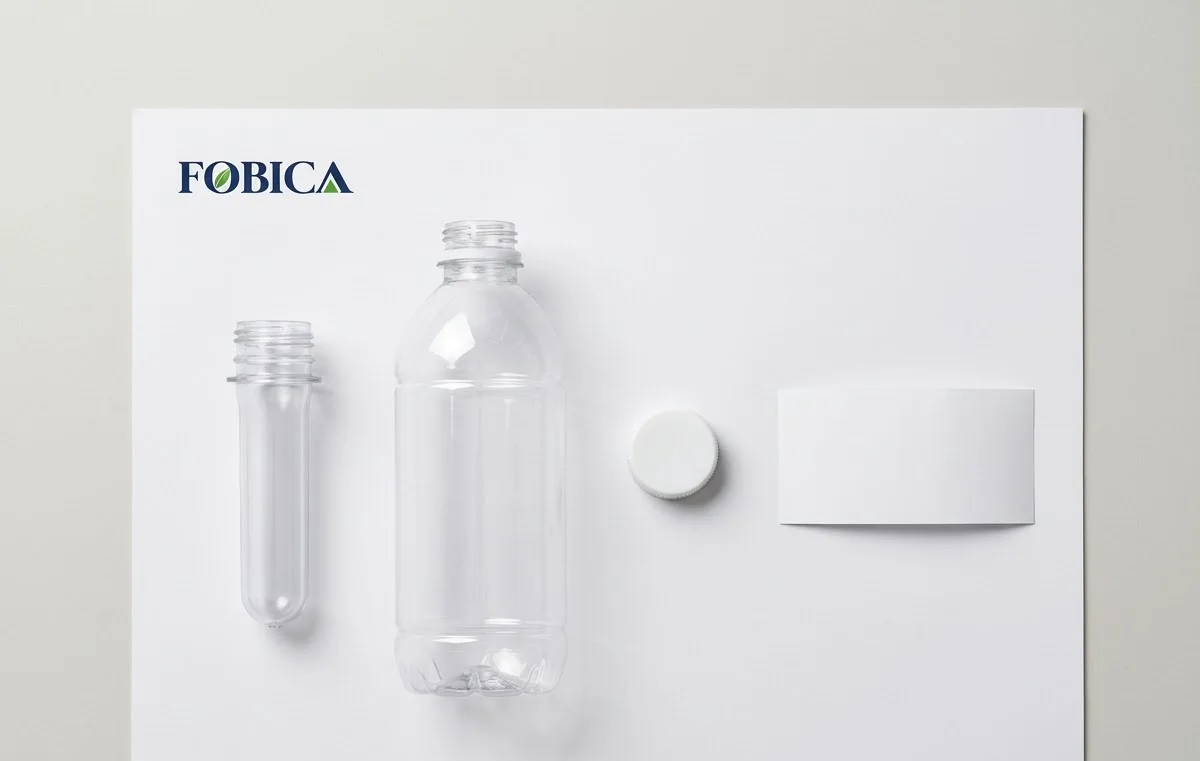
- Packaging: the bottle or preform, cap, label, shrink film or carton, and the share of the outer pack.
- Utilities per unit: power, water and fuel used by the line and the treatment plant.
- Consumables: treatment chemicals, cleaning agents, coding ink and laboratory consumables.
- Freight: inbound transport of materials and, if you pay for it, delivery to customers.
Step 2: add up the fixed costs for a month
- Salaries and wages that do not change with output.
- Rent or lease, insurance and security.
- Maintenance contracts and planned spares.
- Quality control testing and certification costs.
- Administration, sales and marketing overheads.
- Depreciation of the building and machinery, and interest on loans.
Depreciation and interest are easy to leave out because no cash leaves the business for them each month. Leave them out and the plant will look more profitable than it is.
Step 3: count only good units
Divide fixed costs by the units you can sell, not the units the line attempted. Rejected bottles, product lost during changeovers and cleaning, and damaged stock all consume material and time. Measure your yield and use it in the calculation.
Step 4: check capacity utilisation
Fixed costs are shared across every good unit. If the plant runs at half its capacity, each unit carries twice the fixed cost it would at full output. This is why early months, before sales build up, show a much higher cost per unit, and why capacity should be sized from realistic demand.
| Plant output in the month | Fixed cost carried by each unit |
|---|---|
| Full planned output | Fixed costs ÷ full output: the lowest share |
| Half of planned output | Twice the share at full output |
| A quarter of planned output | Four times the share at full output |
Step 5: from cost to price and break-even
Your selling price has to cover cost per unit, the margins your channel expects, such as distributor and retailer margins, applicable taxes, and your own profit. Work back from the price the market will pay to see whether the margin is enough.
To find your break-even volume, divide the fixed costs for the month by the contribution per unit, which is your net selling price minus the variable cost per unit. The result is how many units you must sell each month to cover all costs.
Keep the model live
A cost model built at the feasibility stage is a starting point. Once the plant runs, replace the estimates with actual figures every month. The gaps between plan and actual show where to look for savings: packaging prices, power use, waste, or a line running below its speed.